May 2026 · 13 min read
Ice cream in India is no longer a seasonal treat. Once confined to summer indulgence, it has become a year-round category — driven by cold chain expansion, quick commerce platforms like Blinkit and Swiggy Instamart, and a consumer base that increasingly wants variety, quality, and even health consciousness from their frozen desserts.
The India ice cream market was valued at approximately USD 3.98 billion in 2025 and is projected to grow at a CAGR of around 15% through 2035. The top six brands — Amul, Kwality Wall’s, Vadilal, Mother Dairy, Hatsun Agro, and Havmor/Cream Bell — collectively account for roughly 68-70% of market value. The remaining 30% is fragmented across regional producers, premium artisan brands, and international names.
India’s per capita ice cream consumption (around 400 ml annually) remains far below China (3,000 ml) and the United States (22,000 ml), which signals enormous headroom for growth — but only for brands that understand regional taste preferences, improve cold chain reliability, and continue innovating in flavors and formats.
This guide covers the ten most significant ice cream brands in India for 2026 — covering their history, strengths, product range, market position, and the specific situations where each brand excels.
India Ice Cream Market: Key Facts for 2026
| Market Metric | Data |
| Market Value (2025) | ~USD 3.98 billion |
| Projected Value (2035) | ~USD 16.10 billion |
| CAGR (2026-2035 projection) | ~15% |
| Top 6 brands’ combined market share | ~68-70% |
| Per capita annual consumption | ~400 ml (vs. 22,000 ml in the US) |
| Fastest-growing segment | Quick commerce and premium artisan |
| Key growth drivers | Rising incomes, cold chain expansion, plant-based and low-fat variants, quick delivery |
| Key challenges | Cold chain gaps in rural areas, seasonal demand spikes, power reliability |
Top 10 Ice Cream Brands in India 2026: At a Glance
| Rank | Brand | Est. | Market Position | Approx. Market Share | Best Known For |
| 1 | Amul (GCMMF) | 1946 | Volume leader | ~35% | Accessibility, 150+ flavors, trust |
| 2 | Kwality Wall’s (HUL) | 1956* | Premium + mass | ~16% | Cornetto, Feast, Magnum |
| 3 | Vadilal | 1907 | Multi-regional legacy | ~12% | 200+ flavors, Cassata, family packs |
| 4 | Mother Dairy | 1974 | North India strong | ~8% | Kulfi, Cassata, urban reliability |
| 5 | Naturals Ice Cream | 1984 | Premium natural segment | ~3% (organized) | Real fruit flavors, no artificial additives |
| 6 | Havmor | 1944 | West + Central India | ~5% | Rich dairy base, Gujarat heritage |
| 7 | Hatsun Agro (Arun Ice Cream) | 1970 | South India dominant | ~4% | Tamil Nadu stronghold, dairy expertise |
| 8 | Baskin-Robbins | 1945 (global) | Premium international | ~2-3% | 31 flavors concept, premium positioning |
| 9 | Cream Bell (Devyani) | 1999 | Value mid-market | ~3-4% | Tubs, cones, family formats |
| 10 | Giani | 1956 | North India niche premium | Regional | Authentic kulfi, North India heritage |
Detailed Brand Profiles
1. Amul (GCMMF) — India’s Ice Cream Champion by Volume
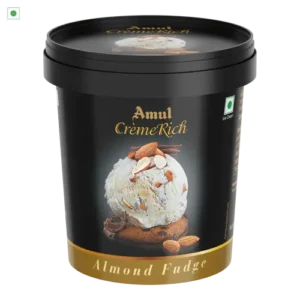
Amul, managed by the Gujarat Cooperative Milk Marketing Federation, is India’s largest ice cream brand by both volume and reach. With approximately 150+ flavors spanning sticks, cones, cups, tubs, and kulfi variants, Amul covers every price point from a Rs. 15 Sundae Stick for school children to premium 1-liter tubs for family occasions.
Amul’s ice cream quality is consistently reliable because of its integration with India’s most extensive cooperative milk network — the same milk supply chain that powers its butter, cheese, and ghee products ensures freshness and quality at scale. Its cold chain network, built over decades, reaches towns and semi-urban areas that no premium brand serves.
What Amul does exceptionally well is affordable quality at scale. A family in a tier-3 town in Uttar Pradesh and a young professional in Bengaluru are equally likely to find Amul ice cream nearby at a fair price.
| Attribute | Details |
| Parent Organization | Gujarat Cooperative Milk Marketing Federation (GCMMF) |
| Founded | 1946 (GCMMF); ice cream division scaled through the 1990s |
| Product Count | 150+ ice cream SKUs |
| Price Range | Rs. 15 (single stick) to Rs. 350+ (premium tubs) |
| Distribution | Pan-India, including tier-2, tier-3, and rural markets |
| Key Products | Real Fruit Ice Cream, Sundae Stick, Tricone, Chocobar, milk tubs |
2. Kwality Wall’s (Hindustan Unilever)
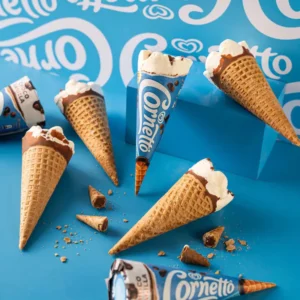
Kwality Wall’s is the Indian arm of Unilever’s global ice cream business and brings significant international brand power to the Indian market. The brand holds approximately 16% market share and has one of the most strategically layered portfolios: Feast for everyday school-run treats, Cornetto for romantic occasions, and Magnum for the premium adult indulgence segment.
Magnum’s presence in India has grown meaningfully since 2020, capitalizing on a premiumization trend where urban consumers are willing to pay Rs. 100-150 for a bar-format ice cream that delivers a genuinely luxurious experience. In April 2026, Magnum launched the Caramel Pop variant in India, signaling continued investment in premium product development for the Indian market.
Kwality Wall’s iconic heart logo and its well-maintained ice cream trucks and push cart distribution system give it visibility at places where other brands simply do not reach — parks, beaches, malls, and street markets.
3. Vadilal Industries
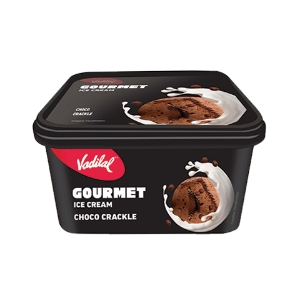
Vadilal was founded in 1907 in Ahmedabad, making it one of the oldest ice cream businesses in India. With over 200 flavors, an extensive product range including cones, family packs, ice cream cakes, the famous Cassata slice, and recent innovations in sugar-free and reduced-fat formats, Vadilal has maintained its relevance across multiple decades and consumer generations.
Vadilal is particularly strong in Gujarat, Maharashtra, Rajasthan, and Madhya Pradesh. Its Cassata slice — a layered multi-flavor product popular at parties and occasions — remains a category-defining product that has been replicated by many competitors. Vadilal also has a significant export business serving the Indian diaspora in the US, UK, UAE, and other markets.
4. Mother Dairy
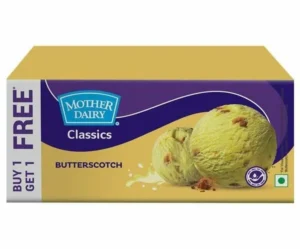
Mother Dairy, established under the National Dairy Development Board, is most prominent in Delhi NCR, Kolkata, and broader North India. Its ice cream range spans Kulfi (perhaps its strongest product), Cassata, Chocolate Fudge, Fruit Cream, and seasonal specials. Pricing is consistently mid-range and accessible.
Mother Dairy’s biggest asset is consumer trust built over decades as a public-sector dairy brand. Parents in Delhi confidently give children Mother Dairy ice cream because the brand’s association with milk quality and hygiene standards is deep-rooted. The brand is expanding its footprint beyond northern India through franchise dealerships.
5. Naturals Ice Cream
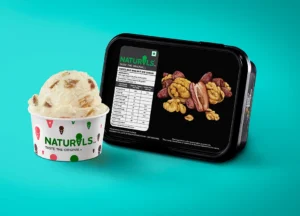
Naturals is a genuinely different kind of ice cream company. Founded in 1984 in Mumbai by Raghunandan Srinivas Kamath, the brand built its entire identity around one promise: real fruit, no artificial flavors, no artificial colors, and no preservatives. Its tender coconut flavor and sitaphal (custard apple) flavor became legendary — people in Mumbai would travel specifically to Naturals outlets to taste them.
Naturals now has outlets across major Indian cities and sells scoops, tubs, and franchise-based servings. Its mango ice cream during the season is made with Alphonso pulp and has a fan following that borders on cult status. Naturals does not compete on price or distribution depth — it competes on the quality of its fruit sourcing and the purity of its ingredient promise.
For the food and beverage industry, Naturals represents a compelling model: category differentiation built entirely on ingredient sourcing philosophy rather than marketing spend. The brand demonstrates that deep expertise in fruit-based food product development can create a highly defensible market position.
6. Havmor
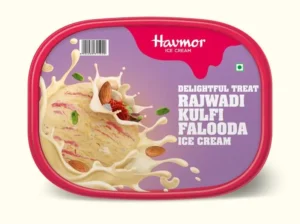
Havmor was founded in 1944 in Karachi and re-established in Ahmedabad after Partition. It has a deeply loyal following in Gujarat and is expanding into Rajasthan, Maharashtra, and other states. The brand is known for its rich, cream-heavy formulation and a wide flavor range. Havmor was acquired by South Korean food company Lotte Confectionery in 2017, bringing capital for distribution expansion.
Havmor’s Havfun, Real Fruit, and Chocobar product lines are strong. Its parlors are a cherished part of the ice cream culture in Gujarat — similar in emotional resonance to what Naturals is in Mumbai.
7. Hatsun Agro Products (Arun Ice Cream)
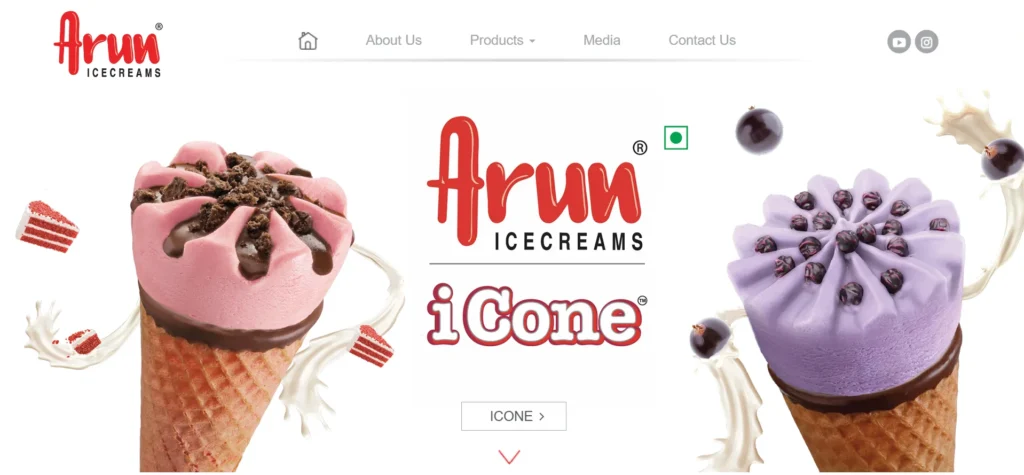
Hatsun Agro Products produces ice cream under the Arun Ice Cream brand and is the dominant player in Tamil Nadu and South India. Its vertical integration — from dairy farming to processing to retail — gives it cost and quality advantages that are hard to replicate. Hatsun also manufactures Ibaco, a higher-end scooping ice cream brand with parlors positioned for young urban consumers.
Arun Ice Cream has a near-unassailable position in Tamil Nadu because of its extensive dealer network and regional price-value calibration. It understands South Indian flavor preferences better than any national brand.
8. Baskin-Robbins
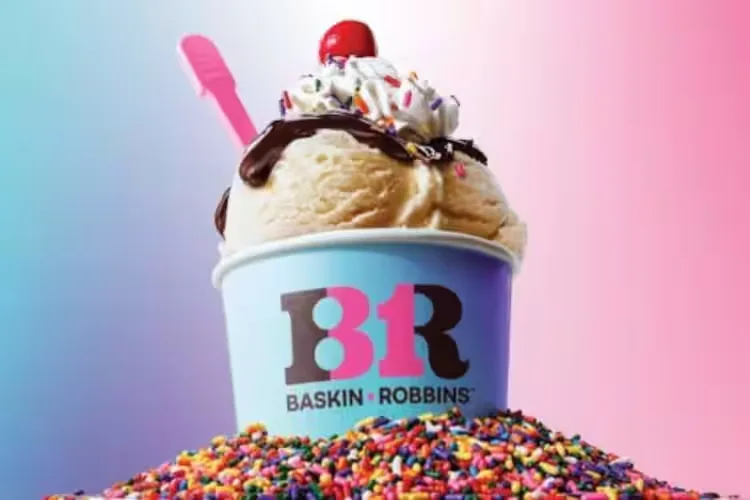
Baskin-Robbins entered India in 1993 and has been a reference for premium international ice cream quality for the past three decades. Its 31 flavors concept (one for every day of the month) has been a marketing touchpoint. In India, it operates through franchise stores in major cities and also sells pre-packed pints.
Baskin-Robbins appeals to consumers seeking an international cafe-style ice cream experience — birthdays, celebrations, and premium gifting. Its prices are notably higher than domestic brands (Rs. 100-200+ for a single scoop), but the brand experience and menu variety justify the positioning for its target segment.
9. Cream Bell (Devyani Food Industries)
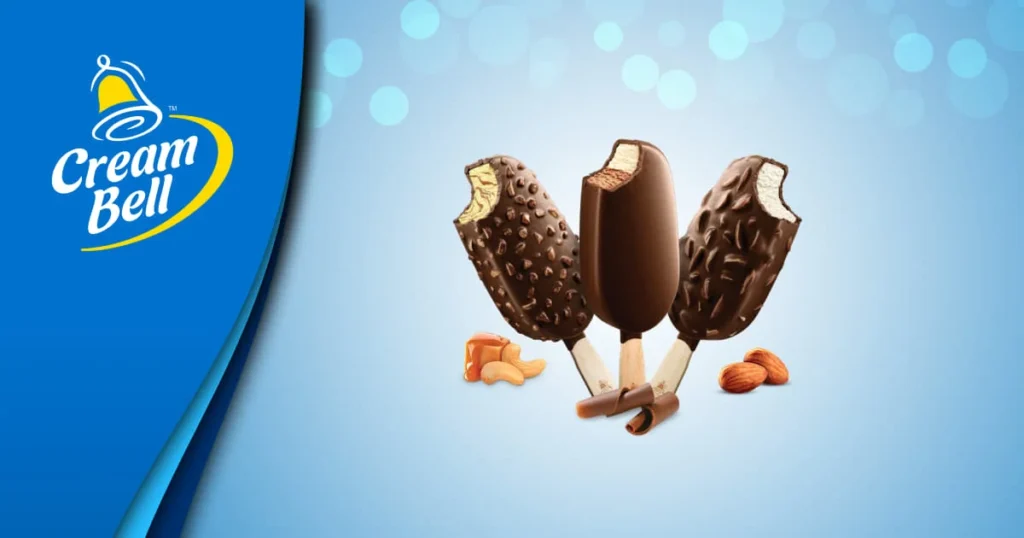
Cream Bell, part of the RJ Corp group, occupies the mid-market value segment effectively. Its tubs, cones, and multi-pack formats are positioned for budget-to-mid-range family consumption. Cream Bell is available primarily through modern retail, e-commerce, and key distributor networks in North and Central India. It does not have the heritage of Amul or Vadilal but competes on pricing and SKU variety.
10. Giani Ice Cream
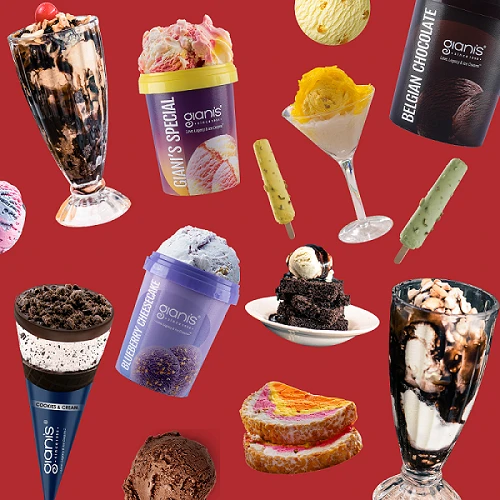
Giani started in Fatehpuri, Delhi, in 1956 and is among the most authentic kulfi specialists in North India. Its kulfi — served traditionally in earthen pots, kulfis on sticks, and now in modern formats — remains a cultural anchor for North Indian food traditions. The brand has expanded into ice cream tubs but its reputation is built entirely on kulfi, which it handles with more authenticity than any of the national brands.
For anyone seeking truly authentic North Indian kulfi rather than a commercial adaptation, Giani is the reference name in Delhi and increasingly in other North Indian cities.
Ice Cream Format and Occasion Guide
| Occasion / Use Case | Best Format | Best Brand |
| Daily treat for kids (budget) | Stick / Cup Rs. 10-30 | Amul, Vadilal |
| Family weekend dessert | 1-liter tub or family pack | Amul, Vadilal, Mother Dairy |
| Premium personal indulgence | Bar / Premium single serve | Magnum (Kwality Wall’s), Baskin-Robbins |
| Natural / health-conscious preference | Real fruit scoop or tub | Naturals, Amul Real Fruit |
| Authentic kulfi experience | Kulfi stick or matka kulfi | Giani, Mother Dairy, Amul |
| Party / celebration | Cassata, ice cream cakes | Vadilal, Baskin-Robbins, Cream Bell |
| South Indian occasion | Regional flavors, kesar pista | Arun (Hatsun), Havmor |
| Premium gifting | Premium tub / curated pack | Baskin-Robbins, Naturals, Amul Select |
New Trends Reshaping India’s Ice Cream Market in 2026
- Quick Commerce Impact: Blinkit, Swiggy Instamart, and Zepto have transformed ice cream purchasing behavior. Impulse buying is now possible from home, and all major brands have invested in quick-commerce-compatible packaging and cold chain tie-ups. This has extended ice cream consumption beyond summer months into a true year-round category.
- Plant-Based Ice Cream: A small but growing segment. International brands like Magnum have launched dairy-free variants globally, and Indian startups are exploring coconut milk, oat milk, and cashew milk bases. This remains niche in India but is growing among vegan and lactose-intolerant consumers.
- Low-Sugar and Functional Variants: Amul, Kwality Wall’s, and Baskin-Robbins all offer sugar-free options. As health awareness increases among Indian urban consumers, this segment is likely to grow. Protein ice cream and fortified frozen desserts are emerging categories, particularly relevant for food product development innovation teams.
- Artisan and Microbrands: A new wave of local artisan ice cream brands (Frozen Bottle, Ice Cream Works, etc.) has emerged in metros, offering experimental flavors, regional ingredients, and small-batch quality. These are primarily metro-focused and do not yet threaten national brands by volume but are influencing flavor trends.
- Premiumization: The fastest-growing price segment in India’s ice cream market is Rs. 80-200 per serving. Magnum, premium Baskin-Robbins flavors, and artisan brands are driving this. Urban millennials are willing to pay for ice cream that offers a more meaningful quality experience.
What Drives Ice Cream Quality: Key Formulation Factors
For consumers and industry professionals alike, understanding what makes ice cream genuinely better helps in evaluating brands beyond marketing claims.
| Quality Factor | What It Means | How to Identify It |
| Milk Fat Content | Higher fat = creamier texture and richer flavor | Check product label for fat percentage; premium brands use 10-14%+ milk fat |
| Overrun (air content) | Lower overrun = denser, higher quality ice cream | Dense ice cream is heavier per volume; cheap ice cream is light and melts fast |
| Real Fruit vs. Flavoring | Real fruit or pulp delivers genuine flavor | Look for ‘contains real fruit’ or fruit pulp in ingredient list vs. ‘natural flavour’ |
| Emulsifiers & Stabilizers | Used to control texture and shelf life | E471, carrageenan are common; excessive use makes texture waxy |
| Cold Chain Integrity | Temperature consistency from factory to consumer | Ice crystals on surface or grainy texture indicates temperature abuse |
Ice Cream Industry and Food Formulation Context
The ice cream sector is one of the most technically demanding in dairy food product development. Stabilizer systems, emulsifier combinations, flavor encapsulation, and overrun control all require deep formulation expertise to produce consistent, quality results at commercial scale. Companies innovating in functional ice cream (protein-enriched, probiotic, fortified), plant-based frozen desserts, or regional flavor development increasingly rely on systematic food formulation approaches — the kind Flavor Catalystz specializes in — to scale their products without compromising sensory quality.
Frequently Asked Questions
Which is the number 1 ice cream brand in India?
Amul holds the largest market share (approximately 35%) and the widest distribution in India, making it the undisputed leader by volume and reach. For premium categories, Kwality Wall’s Magnum leads. For natural/real fruit ice cream, Naturals has the strongest brand identity in its segment.
Is Vadilal or Amul better?
Both are excellent brands with different strengths. Amul offers greater consistency at scale and is more widely available nationally. Vadilal offers a larger flavor variety (200+ SKUs), stronger presence in Gujarat and Maharashtra, and products like its Cassata slice that have become iconic. For a family dessert occasion or party planning in western India, Vadilal often wins. For everyday reliability and value nationally, Amul is the benchmark.
Which ice cream brand uses real fruit in India?
Naturals Ice Cream is the most widely recognized for using real fruit without artificial flavors or colors. Amul’s Real Fruit range also uses fruit pulp. Always check the ingredient list — ‘natural flavour’ is not the same as real fruit pulp, and many brands use flavor extracts rather than actual fruit in most of their fruit-flavored products.
Are there sugar-free ice cream options from major brands?
Yes. Amul offers its Sugarfree range in select flavors. Kwality Wall’s and Baskin-Robbins also have sugar-free options in their premium lines. These products typically use sugar substitutes like sorbitol, maltitol, or stevia. They are calorie-reduced but not calorie-free, and diabetics should check with their physician before consuming.
Is Vegan Ice Cream as Good as Dairy Ice Cream?
Vegan ice cream is now mainstream in supermarkets and specialty stores, no longer a niche product. 1.5 Degree won “Best Vegan Ice Cream – 2025” at PETA India Vegan Food Awards for its 100% natural dairy-free gelato. Taste quality matches dairy now; brands like Nomou and Minus.30 use premium almond/oat bases. Main difference: dairy feels richer; plant-based feels lighter.
Expert Market Research
What’s the Difference Between Artisanal and Mass-Market Ice Cream Brands?
Urban millennials pay premium prices for small-batch ice creams with organic ingredients and exotic flavors. Naturals Ice Cream (40 years old) earns ₹380 Cr using three ingredients: fruit, milk, sugar. Impulse dominates 59.62% market share through affordability; artisanal targets premium with higher margins and regional flavors. Artisanal = better ingredients & taste; mass-market = affordability & access.
Why Is Clean-Label Ice Cream Costlier Than Regular Brands?
Premium brands launch preservative-free, handcrafted gelatos commanding higher price points as indulgence products. Vegan Heart sweetens entirely with dates (no sugar), marking health-conscious positioning at premium pricing. Clean-label requires small-batch, no additives, sourced ingredients—labor-intensive vs industrial bulk processing. Margins justify premium positioning to founders scaling artisanal models.