Jun 2026 · 7 min read
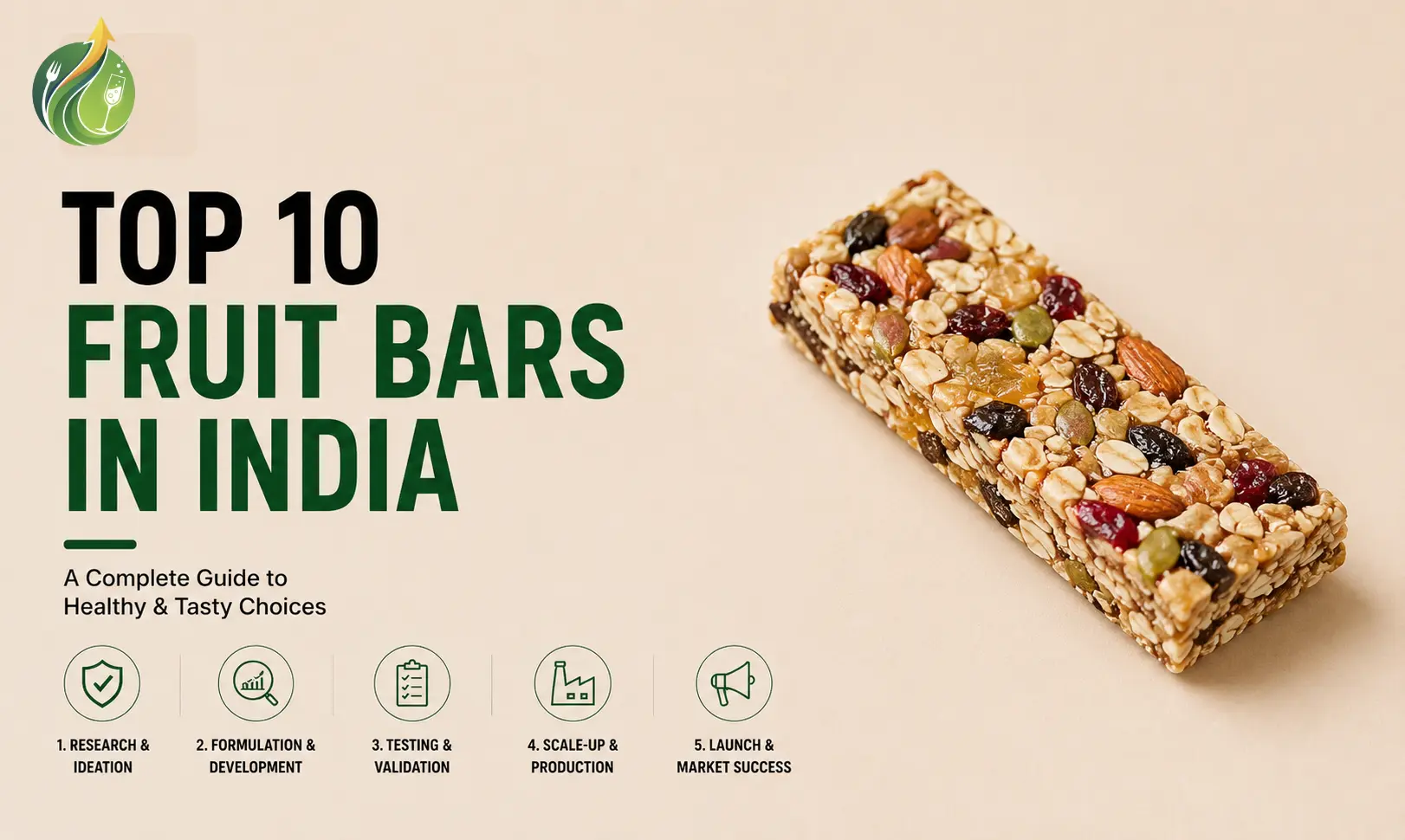
A “fruit bar” sounds simple — pressed fruit, maybe some nuts, shaped into a snack you can throw in a bag. In practice the shelf is messier than that. Some bars are genuinely just dates and dried fruit. Others are glucose syrup and flavouring wearing a fruit costume. As of 2026, this matters more than ever, because India’s new front-of-pack sugar warning labels are pushing every snack brand to either clean up the recipe or hide the numbers behind clever wording.
This guide cuts through that. We have grouped real, widely available fruit-forward bars by what they actually are, who they suit, and where the catch usually hides. No fake star ratings, no “sponsored #1” — just a working snapshot of the category and how to shop it.
How we sorted these 10 bars
Before any list is useful, you should know the lens. We weighed four things, in this order:
- Ingredient honesty— is the bar mostly real fruit and nuts, or syrup-led?
- Sugar reality— total sugar, and whether sweetness comes from whole fruit or added sources.
- Fit for purpose— kids’ lunchbox, gym, travel, or a clean dessert swap.
- Availability— sold widely across Amazon, quick-commerce (Blinkit, Zepto), and modern trade.
A quick note on language: in India the terms fruit bar, dry fruit bar, fruit and nut bar, and energy bar overlap heavily. We have leaned toward bars where fruit is a lead ingredient rather than a flavour note. If you are specifically after high-protein options, our companion guide on the top 10 energy bars in India covers that side of the shelf in more depth.
Quick comparison at a glance
| Rank | Bar type / brand style | Fruit base | Sweetening approach | Best for | Typical price band (per bar) |
| 1 | Premium dry-fruit & nut bar | Dates, figs, raisins | Whole-fruit, no added sugar | Travel, clean snacking | ₹40–₹80 |
| 2 | Date-and-nut “energy” bar | Dates + almonds/cashews | Date paste | Pre-workout, daytime dip | ₹35–₹70 |
| 3 | Kids’ fruit strip / bar | Apple, mango, mixed fruit | Fruit purée concentrate | Lunchboxes, ages 3+ | ₹15–₹35 |
| 4 | Mango / aam papad style bar | Mango pulp | Often added sugar/jaggery | Nostalgia, occasional treat | ₹10–₹40 |
| 5 | Millet + fruit bar | Dates + millets | Dates, jaggery | Fibre, breakfast-on-the-go | ₹30–₹60 |
| 6 | Seed & berry bar | Cranberry/blueberry + seeds | Fruit + small added sugar | Office snacking | ₹40–₹90 |
| 7 | Coconut-date bar | Dates + coconut | Whole-fruit | Quick energy, festive | ₹25–₹55 |
| 8 | Protein-leaning fruit bar | Dates + nuts + protein | Dates + isolate | Gym-goers wanting fruit base | ₹50–₹100 |
| 9 | Organic / clean-label fruit bar | Mixed dried fruit | No added sugar, no preservatives | Label-conscious buyers | ₹50–₹110 |
| 10 | Chocolate-coated fruit bar | Dates + nuts + cocoa | Dates + a little sugar | Dessert swap | ₹40–₹90 |
Prices vary by pack size, platform discounts, and city. Treat the bands as direction, not gospel.
The 10, and the honest read on each
The clean dry-fruit bar (Happilo-style dry fruit bars).
This is the most “fruit-true” end of the shelf — pressed dates, figs, raisins and nuts, usually marketed as no-added-sugar. Texture is dense and chewy, satiety is high, and the ingredient list is short. The trade-off is calorie density: a 35g bar can carry real energy, so it is a snack, not a free pass.
The date-and-nut bar.
The category workhorse. Dates do the binding and the sweetening, nuts add bite and healthy fat. When done well, it is two-to-five ingredients. Read the label for cheap fillers and “fruit syrup,” which quietly raises sugar.
The kids’ fruit strip.
Built for lunchboxes — soft, sweet, single-serve. The good ones use real fruit purée; the weak ones are concentrate plus sugar. For children, the front-of-pack sugar info introduced in 2026 is your friend; use it.
The mango / aam papad bar.
India’s original fruit bar. Deeply nostalgic and genuinely fruit-led, but many commercial versions add sugar or jaggery to stabilise texture. Lovely as an occasional treat; not a daily “health” snack.
The millet-and-fruit bar.
A 2026 favourite. Riding the millet wave, these pair dates with jowar, ragi or other millets for fibre and a less sugary profile. Texture is grainier — a feature for some, a flaw for others.
The seed-and-berry bar.
Cranberry, blueberry, pumpkin and sunflower seeds. Pretty, premium, and often slightly sweetened to offset tart berries. Good office snack; check that “berries” are not 90% raisins dyed and flavoured.
The coconut-date bar.
Simple, fast energy, often vegan. Coconut adds richness and shelf stability. Watch portion size — coconut is calorie-dense.
The protein-leaning fruit bar.
A hybrid: a date-and-nut base with added protein. It blurs into the energy/protein-bar category, so if protein is your goal, compare it against dedicated protein bars rather than assuming a fruit base makes it “lighter.”
The organic / clean-label fruit bar.
The premium clean-label play — minimal ingredients, no artificial preservatives, often organic certification. You pay for it. Worth it if label transparency is your priority.
The chocolate-coated fruit bar.
The dessert swap. A date-and-nut centre under cocoa. Genuinely better than a candy bar, but the coating usually adds some sugar — so judge it as a treat, not a “healthy” bar.
A buyer’s guide: how to actually read a fruit bar label
Most disappointment comes from trusting the front of the pack. Flip it over and scan for these:
| Green flags (buy with confidence) | Red flags (put it back or treat as candy) |
| Dates, dried fruit or nuts as the first 1–2 ingredients | “Glucose syrup” or “fruit syrup” near the top |
| Total sugar mostly from whole fruit | Added sugar listed separately and high |
| Short, recognisable ingredient list | Long list with artificial colours/flavours |
| Clear fruit percentage stated | Vague “fruit base” with no percentage |
| No added preservatives, or natural ones only | Multiple chemical preservatives |
| Honest serving size (the bar = one serving) | Tiny “serving” that hides real calories |
The single most useful habit: compare total sugar per bar, not per 100g. Brands love per-100g maths because a small bar then looks virtuous.
Thinking of launching your own fruit bar?
Here is where the category gets interesting for founders. Fruit bars look easy to make and are deceptively hard to make well at scale. A date-and-nut bar that is perfect in a kitchen can turn rock-hard or sticky after a few weeks in a Nagpur summer, because moisture migration and sugar crystallisation behave very differently in a 10,000-unit batch than in a tray of ten.
That gap — kitchen recipe to stable, compliant, repeatable SKU — is the entire discipline of food product development. Getting the binder system, water activity and texture right over a full shelf life is a food formulation problem first, and a branding problem second. The brands that survive on a crowded 2026 shelf are usually the ones that solved the technical layer before they printed packaging.
In our work at Flavor Catalystz, the bars that fail consumer re-purchase almost always fail on texture-over-time, not on first taste.
If you are evaluating the space, study the ten profiles above as a competitive map: notice the white space (genuinely low-sugar kids’ bars, regional fruit flavours, millet-fruit hybrids) rather than cloning the bestseller.
Frequently asked questions
Are fruit bars actually healthy?
The best ones — real fruit and nuts, no added sugar — are a solid whole-food snack with fibre and micronutrients. The weak ones are confectionery in disguise. The label tells you which you are holding.
Are fruit bars good for weight loss?
They can support it as a controlled, satiating snack, but they are calorie-dense. One bar in place of biscuits is smart; three bars “because they’re healthy” is not.
Do fruit bars have added sugar?
Many do. Whole-fruit sweetness from dates is different from added glucose or fruit syrup. Check the “added sugar” line specifically — from 2026, front-of-pack labels make this easier.
Are fruit bars safe and good for kids?
Yes, in moderation, especially purée-based fruit strips with no added sugar. They are sticky, so pair with water, and avoid them as an all-day sweet habit.
What is the difference between a fruit bar, an energy bar and a protein bar?
A fruit bar leads with fruit; an energy bar leads with quick carbohydrates and fat for fuel; a protein bar leads with 10g+ protein. The categories overlap, so read the macros, not the name.
How long do fruit bars last?
Most commercial fruit bars carry a 6–12 month shelf life thanks to low water activity. Once opened, eat within a few days; natural bars dry out without preservatives.
Are these bars FSSAI approved?
Reputable Indian brands sell under a valid FSSAI licence with full nutritional labelling. If a bar has no FSSAI number or ingredient panel, skip it.
Which fruit bar is best in India?
There is no single winner — it depends on your goal. For clean snacking, a no-added-sugar dry-fruit bar; for kids, a real-fruit strip; for the gym, a protein-leaning or dedicated energy bar.